Ohio Energy Project Demonstrates Real-World Challenges of Permitting Reform
Republican lawmakers in Ohio are advocating for streamlined permitting processes to accelerate energy infrastructure development, but a $1 billion regional transmission project illustrates the obstacles they face. A power line project planned by Grid Growth Ventures would run high-voltage lines across hundreds of miles of western Ohio to the Indiana border, but encounters resistance from state and local officials despite general agreement on infrastructure investment. The case demonstrates how theoretical support for permitting reform collides with practical opposition when projects affect specific communities.
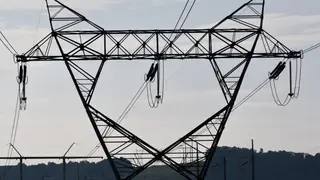
Grid Growth Ventures, supported by major utilities AEP and FirstEnergy, is proposing to construct a high-voltage transmission corridor stretching from central Ohio westward to Indiana. The undertaking addresses capacity and reliability concerns flagged by PJM Interconnect, the regional grid operator serving 13 states. The infrastructure would consist of steel towers reaching up to 175 feet in height positioned across hundreds of miles of western Ohio terrain.
State and local officials have not blocked the initiative outright, yet resistance has emerged despite widespread acknowledgment that energy infrastructure investment benefits the state. The Ohio Power Siting Board will evaluate the proposed route and holds authority to approve, reject, modify, or impose conditions on the project before construction can proceed.
This case illustrates a potential friction point between state and federal permitting reform objectives. While policymakers generally support infrastructure modernization to accommodate data center growth and energy demands, localized opposition from affected communities may persist regardless of streamlined approval processes. The outcome could shape how future large-scale transmission projects navigate regulatory frameworks, potentially influencing whether reform efforts achieve intended acceleration or encounter similar community-level obstacles that slow implementation timelines.