Opal and tourmaline: Understanding October's dual birthstones and their mineral properties
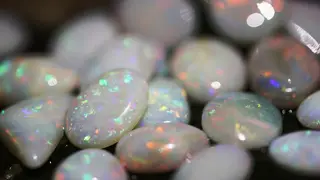
October recognizes two birthstones—opal and tourmaline—each with distinct geological characteristics and aesthetic appeal. Opal, the primary choice, consists of microscopic silica spheres arranged in a lattice structure that produces its famous play of rainbow colors through light interference, though this arrangement also makes it susceptible to fracturing. Both gems form through different geological processes: precious opals develop in volcanic rock cavities where silica-rich water precipitates and solidifies, while tourmaline appears in various crystalline forms across different rock types.
Opals occupy a unique position in the gem world due to their unconventional composition. Rather than forming a true mineral structure, these stones consist of densely arranged silica spheres that interact with light to produce their characteristic rainbow effects. This same structural arrangement, however, creates vulnerability to environmental stress—moisture loss causes the stone to shrink and develop fractures, making opals more delicate than traditional gemstones.
The geographic distribution of opal sources reflects varying geological conditions across the globe. Australia's dominance in precious opal production, particularly black opals, stems from specific volcanic and sedimentary formations unique to the continent. Ethiopia's emerging role as a supplier, alongside smaller contributions from Nevada and other regions, indicates that opal formation occurs through multiple geological pathways, each producing stones with distinct visual characteristics based on local mineral compositions and impurities.
October birthstone awareness may influence consumer interest in gemstone education and mineral science engagement. Understanding opal and tourmaline's formation processes could foster broader appreciation for geology among jewelry buyers and gift-givers. Additionally, this coverage may impact perceptions of opal's durability in the market, potentially affecting purchasing decisions and conservation practices. Increased scientific literacy about gemstones could also enhance discussions around sustainable mining practices and the environmental considerations of gem extraction industries.