British Intelligence Uncovers Chinese State Security Funding of Over 100 Academic Researchers
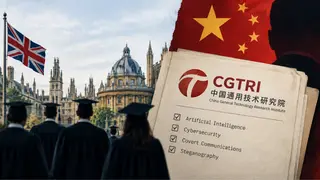
MI5 issued a security alert revealing that more than 100 academics with U.K. connections have received funding from China's Ministry of State Security through the China General Technology Research Institute to support Beijing's intelligence operations. The warning highlights concerns about foreign interference in academic research and the potential compromise of sensitive information through these sponsored programs. This disclosure underscores growing tensions around espionage activities and the infiltration of research institutions by state actors.
MI5's recent alert draws attention to a significant counterintelligence concern involving China's state security apparatus and academic institutions in Britain. The disclosure indicates that over 100 researchers connected to U.K. educational and research organizations have maintained financial ties to Chinese government entities, specifically through channels designed to advance Beijing's intelligence gathering capabilities. This pattern reflects broader geopolitical anxieties about how foreign powers leverage academic partnerships to access sensitive research and technological developments.
Such infiltration of research communities raises questions about institutional oversight and the balance between international academic collaboration and national security. Universities and research facilities increasingly face pressure to implement stronger vetting procedures while remaining open to legitimate scholarly exchange, creating operational challenges for institutions attempting to maintain both accessibility and protective measures against potential intelligence operations.
This revelation may affect multiple stakeholders, including academic institutions facing heightened scrutiny of funding sources and researcher backgrounds, government bodies reviewing counterintelligence protocols, and researchers themselves who could experience expanded background checks or funding restrictions. The story could influence how universities approach international partnerships and donor transparency policies. Additionally, it may shape public perception of academic integrity and governmental confidence in research institutions' ability to safeguard sensitive work from foreign interference.