International Legal Obligations for Protecting Civilians Under Gaza Peace Agreement Framework
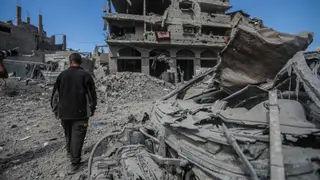
Following nearly a year of ceasefire in Gaza with limited progress toward a lasting settlement, international authorities have proposed a $2.4 billion reconstruction plan that includes establishing a temporary International Stabilization Force to secure territory and protect civilians. The article examines the legal obligations under the Geneva Conventions that would bind the Board of Peace and international forces regarding treatment of the civilian population, drawing parallels to previous international occupation scenarios. The analysis addresses whether the arrangement constitutes an occupation and what protections must consequently be afforded to Gaza's residents.
The proposed International Stabilization Force represents a significant shift in how the international community might manage post-conflict reconstruction in Gaza. The Board of Peace, established with UN Security Council authorization, would coordinate military and civilian efforts including demilitarization oversight, civilian protection, and humanitarian logistics. However, a year into the ceasefire, fundamental disagreements persist: Israeli forces have maintained or expanded their footprint rather than withdrawing, while armed groups have retained their capabilities, creating an uncertain foundation for any international intervention.
The legal framework governing such interventions depends partly on whether the arrangement constitutes formal occupation under international law. Previous international administrations, such as the Coalition Provisional Authority in Iraq, operated under similar mandates to establish local governance and security structures. The distinction matters considerably because occupation status triggers specific obligations under the Geneva Conventions regarding civilian treatment, resource management, and protection responsibilities that bind participating nations individually.
The establishment of clear legal responsibilities could affect millions of Gaza residents by determining what protections they receive and who enforces them. International forces, participating nations, and local authorities may face different accountability standards depending on occupation classification. For the international community, the arrangement could set precedent for future post-conflict interventions regarding the balance between external administration and local sovereignty. Conversely, ambiguous legal status might complicate civilian complaints, humanitarian access, and transitional justice mechanisms.