Renovated Bushwick Building Highlights Questions About City Housing Policy
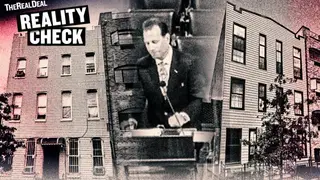
A historic Bushwick walk-up at 219 Troutman Street underwent significant renovations since 2016, including new windows, siding improvements, and a complete interior overhaul. The building's transformation presents a case study in how property improvements intersect with New York's approach to housing affordability and rental regulations. The story examines how such investments reflect broader questions about the city's housing priorities.
A building located on Troutman Street in the Bushwick neighborhood of Brooklyn underwent an extensive rehabilitation project beginning in 2016. The work involved multiple upgrades to the structure's exterior and interior systems, replacing windows and siding while completely refreshing the inside of the unit.
This particular property improvement initiative has become noteworthy because it illustrates the complex relationship between capital investment in aging housing stock and the regulatory environment governing rental housing in New York City. The case raises questions about how the city balances property owner incentives to maintain buildings against broader affordability concerns.
The renovation at this Bushwick address may be relevant to stakeholders across multiple constituencies—property owners evaluating upgrade costs, renters concerned about resulting rent increases, and policymakers assessing whether current housing regulations effectively encourage maintenance while protecting affordability. How such improvements affect tenant circumstances and neighborhood character could influence ongoing debates about balancing building preservation with housing accessibility in a high-demand market.