Diplomacy Cannot Succeed Without Sustained Military and Economic Coercion
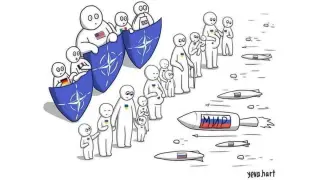
An opinion piece argues that meaningful negotiations with Russia are impossible without comprehensive military, economic, and political pressure that makes continued aggression untenable. The author contends that Ukraine requires enhanced military aid, robust air defense systems, and more stringent international sanctions to force Moscow to the negotiating table. Europe must simultaneously prepare for a protracted confrontation with Russia rather than hoping for internal regime change or unexpected diplomatic breakthroughs.
The article emphasizes that diplomatic progress requires Russia to face insurmountable costs for continued military operations. The author identifies three interconnected pressure points: strengthened military capabilities for Ukraine including enhanced air defense systems, sustained financial support despite shifts in international aid commitments, and comprehensive economic sanctions that eliminate enforcement gaps currently exploited by certain trading partners.
The piece specifically highlights air defense as a critical gap, arguing that delaying protective systems until a ceasefire is negotiated contradicts strategic logic. It also notes that energy trade relationships between EU nations and Russia undermine sanctions effectiveness, presenting a structural obstacle to isolating the Russian economy sufficiently to alter Kremlin calculations.
This perspective could influence how international policymakers balance negotiation advocacy with military support strategies. Different constituencies may interpret the argument variously: some nations might view it as justifying continued military aid escalation, while others could see it as dismissing diplomatic channels prematurely. The framing may particularly affect discussions within European governments weighing energy security concerns against sanctions regimes, and could shape public debate about the timeline and conditions for peace negotiations.