One-eighth of cancer diagnoses linked to infectious pathogens, study confirms
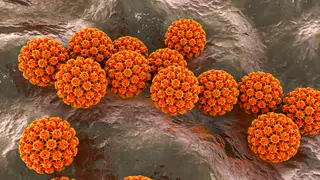
Research indicates that infections are responsible for approximately 12.5% of global cancer cases, with four main pathogens accounting for the majority of infection-related malignancies. The findings highlight vaccination and preventive treatments as critical tools in reducing cancer incidence. Current prevention methods range from well-established vaccines to emerging therapeutic approaches still under clinical investigation.
A comprehensive global analysis reveals that infectious diseases play a significant role in cancer development worldwide, with approximately one in every eight malignancy diagnoses traceable to pathogenic infections. The research identifies four primary infectious agents responsible for the majority of these infection-associated cancers, underscoring the substantial public health implications of microbial contributors to malignant disease.
Prevention and intervention strategies offer meaningful opportunities to reduce cancer burden. Established immunization programs represent proven preventive approaches, while researchers continue developing and testing novel therapeutic interventions to further combat infection-related malignancies.
This finding could reshape public health priorities by elevating infectious disease prevention as a cancer control strategy. Populations in regions with limited vaccine access may face disproportionate risk, potentially widening health disparities. Investment in vaccination programs and emerging therapies could yield significant reductions in global cancer incidence, though implementation challenges and resource constraints may affect equitable distribution of preventive measures across different healthcare systems.