Democratic States Challenge EPA Rollback of Power Plant Emissions Standards
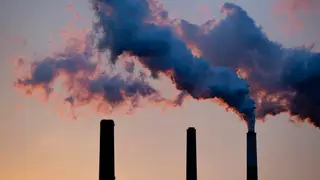
Over 20 states led by Democratic attorneys general, along with several cities, filed a federal lawsuit challenging the EPA's repeal of greenhouse gas emissions standards for coal and natural gas power plants. The states argue that the rollback will result in millions of additional tons of greenhouse gas emissions and intensify extreme weather, flooding, and wildfires while harming public health. The lawsuit, filed in the U.S. Court of Appeals for the District of Columbia, seeks judicial review of the EPA's proposed rescission.
The Environmental Protection Agency completed its elimination of greenhouse gas pollution limits for coal and natural gas electricity generation facilities last month. This action simultaneously blocks potential future administrations from reinstating protections, according to the legal challenge. The lawsuit represents a significant coordinated response, with more than two dozen state governments and several major cities participating in the challenge filed before the federal appellate court.
Power generation from fossil fuels represents one of the nation's largest sources of greenhouse gas pollution. The EPA's legal rationale centers on claims that the Clean Air Act does not grant it authority to regulate such emissions from power plants, a position that state attorneys general strongly dispute during formal comment proceedings.
The outcome could significantly influence air quality standards and energy policy across multiple states for years to come. If upheld, the EPA rollback might allow greater emissions from existing and new power plants, potentially affecting electricity costs and air quality in surrounding communities. Conversely, if courts overturn the decision, it could establish precedent for stronger federal environmental protections. The case may also shape how future administrations interpret regulatory authority, affecting millions of people living near power generation facilities and the broader direction of national climate policy.