Generating artificial gravity remains a challenge for long-duration space missions
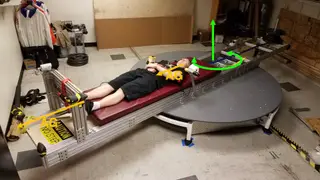
Microgravity poses significant health hazards to astronauts during extended space travel, prompting scientific inquiry into potential solutions. Creating artificial gravity aboard spacecraft could mitigate these physiological risks and improve conditions for crews on long missions. The article examines current possibilities and limitations in generating artificial gravitational effects within spacecraft environments.
The human body undergoes significant physiological changes in microgravity environments, creating health complications for astronauts undertaking extended voyages beyond Earth's orbit. Scientists have focused research efforts on developing methods to counteract these weightlessness-induced effects through technological innovations. The challenge lies in engineering practical systems that could be feasibly incorporated into spacecraft design while remaining within operational and resource constraints.
Successfully implementing artificial gravity systems could reshape the feasibility and scope of long-term human space exploration. Such technology may expand mission duration possibilities, potentially benefiting future deep-space expeditions to Mars or beyond by reducing crew health risks. The development could also influence recruitment and training protocols for astronauts, as reduced physiological stress might broaden candidate qualifications. Economic implications may emerge through increased mission viability, though substantial research investment would precede any practical applications.