Enzyme UBE2N Identified as Natural Defense Against Progression of Fatty Liver Disease
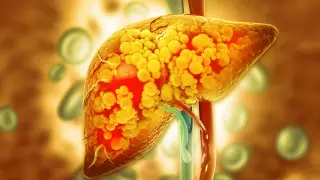
Researchers at Cedars-Sinai have identified an enzyme called UBE2N that appears to protect liver cells from the severe damage associated with metabolic dysfunction-associated steatohepatitis, a serious form of fatty liver disease affecting millions of Americans. The enzyme works by helping liver cells eliminate damaged mitochondria and break down excess fat, potentially preventing the inflammation and scarring that characterize the disease's progression. These findings, published in Nature Metabolism, could lead to new therapeutic strategies for preventing liver failure in patients with this common condition.
Metabolic dysfunction-associated steatohepatitis represents a serious progression of fatty liver disease that currently lacks curative treatments. Of the estimated 100 million Americans with the initial form of the condition, roughly one in four develop this inflammatory variant characterized by cellular injury and hepatic scarring. The decline of UBE2N enzyme activity appears correlated with disease advancement, suggesting a protective mechanism that naturally diminishes as the condition worsens.
In animal models, researchers demonstrated that restoring enzyme levels to normal produced measurable improvements in three key markers: reduced fat deposition, decreased inflammation, and lessened tissue scarring. These preclinical results provide a foundation for investigating whether therapies designed to enhance this enzyme's function might prevent disease progression or work synergistically with existing interventions in human patients.
This research may affect millions of Americans with fatty liver disease by potentially opening treatment pathways beyond current lifestyle-based management. If enzyme enhancement proves viable in human trials, it could offer preventive options for the substantial population at risk of progressing to advanced liver disease. However, the work remains preclinical, and significant development would be necessary before clinical applications could address the current treatment gap for patients with this widespread metabolic condition.