Former SEC Chair Known for Crypto Crackdowns Positioned to Lead AI Policy
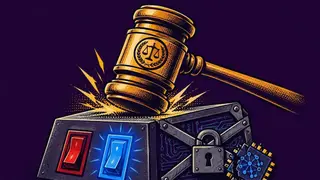
Jay Clayton, who led aggressive enforcement against cryptocurrency firms during his tenure at the Securities and Exchange Commission, is expected to be appointed as the White House's artificial intelligence czar under President Trump. During his time as SEC chairman, Clayton initiated numerous enforcement actions against crypto companies and ICOs while building a reputation for regulation through prosecution. His appointment would place oversight of the nation's AI strategy in the hands of a former Wall Street regulator with a track record of strict digital asset enforcement.
Jay Clayton's appointment as AI czar represents a significant shift in the Trump administration's technology leadership structure. Previously, David Sacks held a combined role overseeing both artificial intelligence and cryptocurrency policy from January through March 2026, but the division of these responsibilities now places AI under Clayton's purview exclusively. The newly created AI Force, which Clayton would oversee, operates as a standalone initiative designed to centralize the government's artificial intelligence strategy.
Clayton's tenure at the SEC established him as a prominent figure in financial regulation through his enforcement-focused approach to emerging technologies. His creation of the SEC's Cyber Unit in 2017 launched an aggressive prosecution strategy that generated 57 enforcement actions against crypto-related entities over his three-year tenure. The Ripple Labs case, initiated just before his departure in 2020, exemplified this enforcement model, though subsequent leadership chose to discontinue that particular litigation.
Clayton's appointment could reshape how the federal government balances innovation encouragement with regulatory oversight in artificial intelligence development. Industry observers may view his regulatory background as either promising careful governance or concerning given his enforcement-heavy track record. The decision to separate AI policy from cryptocurrency oversight may signal divergent regulatory philosophies for these emerging technology sectors, potentially affecting how companies operating across both domains navigate compliance requirements and investment decisions.