Tesla and Rivian Show Diverging Paths as EV Makers Face Distinct Challenges Heading Into Year-End
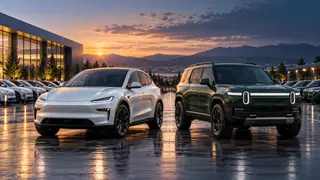
Tesla exceeded third-quarter delivery targets by 5.3 percent but disappointed on energy storage growth, while Rivian confronts steeper production targets requiring 20 to 46 percent acceleration in the final quarter. Both electric vehicle manufacturers face distinct cash flow and valuation risks heading into earnings season. The performance gap highlights contrasting operational trajectories and investor concerns about each company's near-term financial health.
Tesla navigated Q3 with mixed results, achieving delivery volumes above expectations while simultaneously facing headwinds in its energy storage division. The automaker's core vehicle delivery performance outpaced targets, though the weakness in battery storage systems signals uneven momentum across its business segments as the year concludes.
Rivian faces a more demanding trajectory, with production goals requiring substantial acceleration in the final quarter to meet full-year targets. The disparity between these two manufacturers reflects different operational maturity levels and supply chain capabilities, with each company managing distinct investor expectations around cash generation and financial stability heading into their respective earnings reports.
These diverging trajectories could influence investor confidence in EV sector maturity and capital allocation decisions. Consumers may experience ripple effects through vehicle pricing, delivery timelines, and energy product availability. Supply chain partners and workers at both manufacturers could face uncertainty regarding production schedules and workforce requirements, while energy markets might see varying rates of grid-scale battery deployment based on each company's operational capacity.