Eva Papadaki's 1OAM: A Sensory-Focused Creative Hub Transforms a 1970s Athens Warehouse
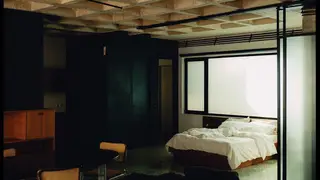
1OAM, a multifaceted creative project in Athens' Gazi district, combines workspace, accommodation, dining, and retail within a renovated 1970s building designed by architect Aristidis Romanos. Founded by creative director Eva Papadaki in 2016, the venue encompasses artist management offices, a café and bakery, an apothecary shop, four residential lofts, and a penthouse, all unified by an emphasis on sensory experience and raw industrial beauty. The ongoing renovation by Gavalas Ioannidou Architecture and Studio Andrew Trotter preserves the building's concrete and glass character while introducing modern sculptural elements like distinctive spiral staircases.
1OAM emerged organically from Eva Papadaki's 2016 discovery of the Gazi warehouse, initially serving as headquarters for her artist management operations before expanding into a multifunctional creative ecosystem. The venue now encompasses residential accommodations, food service, retail offerings, and workspace—each component deliberately designed to enhance visitor sensory engagement rather than prioritize aesthetic presentation alone.
The architectural renovation process, undertaken by Gavalas Ioannidou Architecture and Studio Andrew Trotter, prioritizes preservation of the original 1970s structure's industrial character while introducing contemporary sculptural interventions. Notable design features include dual spiral staircases—one fabricated from weathering steel, the other from concrete—that exemplify the philosophy of revealing rather than obscuring the building's foundational materials and history.
This project may appeal to affluent travelers and creatives seeking curated lifestyle experiences that blend work, wellness, and cultural consumption. The model could influence how urban warehouse conversions balance commercial hospitality with artistic community-building, potentially shaping similar developments in post-industrial European neighborhoods. However, such ventures might also contribute to gentrification pressures in traditionally working-class districts like Gazi, affecting local housing affordability and resident displacement patterns.