Top-rated Find My compatible Bluetooth trackers and AirTag alternatives for 2026
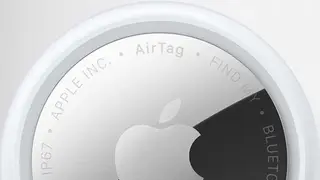
Apple's Find My ecosystem has expanded beyond official AirTags to include numerous third-party Bluetooth trackers from accessory makers in various form factors and designs. These trackers leverage Apple's encrypted, distributed network of devices to locate lost items securely through iCloud without requiring cellular or GPS. The article reviews multiple slim wallet card trackers and portable options that integrate seamlessly with Apple's tracking platform.
Apple's Find My network operates through a distributed system where millions of Apple devices act as location beacons, transmitting encrypted Bluetooth signals that help pinpoint lost items even when they're offline. This approach eliminates the need for cellular connectivity or GPS, instead relying on the density of Apple's device ecosystem to relay position data securely through iCloud. The expansion beyond Apple's own hardware has created a competitive accessory market with distinct options suited to different use cases and preferences.
The tracker options now span multiple form factors designed for specific scenarios. Slim card-style trackers fit inside wallets alongside payment cards, while specialized designs like luggage tags and loop attachments serve travel and portable needs. Most newer third-party options feature wireless recharging capability, addressing a key limitation of original AirTags which require battery replacement. Price points range from under $15 to approximately $50, offering consumers flexibility based on their tracking priorities and budget constraints.
The proliferation of Find My-compatible trackers could significantly influence consumer behavior around item security and loss prevention. Users may become more confident traveling or carrying valuables if they can reliably locate misplaced belongings. The competitive third-party market may drive down prices and expand accessibility beyond Apple's ecosystem, potentially increasing adoption across different consumer demographics. This technological shift could reshape insurance and replacement practices for frequently lost personal items.