Nuclear Safety Concerns Grow as Drone Strikes Damage Power Infrastructure Near Zaporizhzhia Plant
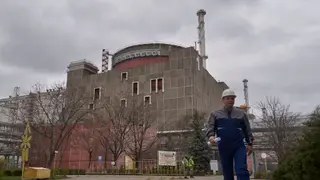
A series of drone attacks on the Zaporizhzhia Thermal Power Plant in September damaged critical transformers essential for supplying electricity to the Russian-occupied Zaporizhzhia Nuclear Power Plant. The International Atomic Energy Agency is negotiating a localized ceasefire to enable repairs and restore the facility's external power supply, which has been repeatedly disrupted since Russia's 2022 invasion. The attacks underscore ongoing risks to nuclear safety at Europe's largest nuclear power plant, with the IAEA warning that increased drone activity intensifies accident potential.
The Zaporizhzhia thermal facility serves a critical function in the wider power infrastructure supporting the nuclear plant, which has operated under Russian military control since the 2022 invasion began. Recent strikes in late September targeted essential electrical equipment, compounding a pattern of repeated disruptions to the plant's connection to external power sources. This marks the eighth attempt by international mediators to establish a temporary cessation of hostilities specifically to permit reconstruction work at the thermal station.
The attacks have extended beyond the power facility itself, affecting residential areas where nuclear plant personnel reside and damaging radiation monitoring capabilities. These incidents illustrate the cascade of risks created when military operations occur near critical nuclear infrastructure, as damage to supporting systems can indirectly compromise safety protocols at the reactor site.
Escalating drone operations near Europe's largest nuclear facility could complicate efforts to maintain stable operating conditions and may heighten concerns among international nuclear regulators about accident prevention. Disruptions to external power supply could affect the plant's ability to manage cooling systems and monitoring equipment. The repeated need for localized ceasefires suggests ongoing structural vulnerabilities that may persist as long as military occupation continues, potentially affecting global energy markets and regional stability if a serious incident occurs.