Google's Fitbit Air Arrives at Discounted Price With Premium Health Monitoring
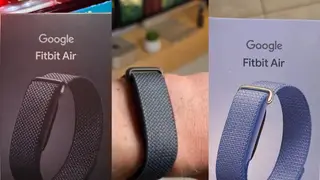
Google's new Fitbit Air displayless fitness tracker is available at Rs 12,999 through bank partnerships, down from its Rs 13,999 launch price, offering health features like 24/7 heart rate monitoring, SpO2 tracking, and AI-powered atrial fibrillation alerts. The device comes with a three-month Google Health subscription and is available in four color options including Obsidian, Lavender, Berry, and Fog. The pricing positions it competitively against professional trackers while leveraging Google's software ecosystem.
Google's latest wearable entry positions itself squarely in the competitive health-tracking market by combining affordability with medical-grade monitoring capabilities. The device's architecture includes specialized sensors for detecting heart irregularities and blood oxygen levels, backed by Google's artificial intelligence systems. The absence of a display is a deliberate design choice that channels data exclusively through smartphone integration, aligning with Google's broader ecosystem strategy while reducing device complexity and cost.
The promotional pricing through major Indian financial institutions reflects a strategic launch approach aimed at rapid market penetration. The bundled Google Health subscription creates recurring engagement incentives while the sustainable material construction targets environmentally conscious consumers. With a competitive price point against established professional trackers, the Fitbit Air represents Google's attempt to democratize advanced health monitoring previously reserved for premium-tier wearables.
This device launch could influence consumer expectations around what constitutes accessible health technology, potentially democratizing sophisticated cardiac monitoring for broader populations. Users with atrial fibrillation risk or general wellness interests may gain affordable early-warning capabilities. However, the reliance on smartphone integration and optional paid subscriptions creates a two-tier user experience that may affect long-term adoption patterns. The success of this product could shape how tech companies bundle hardware with software services in the wearables market.