Pixel Fold retrospective reveals Google's foldable was prescient despite early flaws
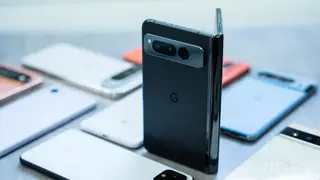
A reassessment of Google's first-generation Pixel Fold shows the device was conceptually sound despite its execution shortcomings at launch. Recent competing foldable designs have vindicated the original Pixel Fold's core design philosophy and feature set. The device's vision proved more forward-thinking than initial reviews suggested.
Google's initial foray into the foldable phone market faced criticism upon its debut, with reviewers highlighting various technical and design challenges. However, subsequent releases from competing manufacturers have adopted similar approaches to the device's fundamental architecture and functionality, suggesting Google's original vision had merit despite the execution issues that plagued the first generation.
The reassessment indicates that the Pixel Fold's underlying concept—how it balanced form factor, feature integration, and user experience—aligned more closely with where the foldable market would eventually move than contemporary critics recognized. This retrospective evaluation highlights how emerging product categories often require industry-wide iteration before their true value becomes apparent.
This story could affect consumer confidence in early-adoption decisions, particularly regarding first-generation devices in nascent product categories. If validated retrospectively, it may encourage consumers to view initial negative reviews with appropriate skepticism and recognize that visionary design sometimes precedes reliable execution. The narrative could also influence how technology companies approach messaging around innovative products that face early skepticism.