Court Rules License Plate Reader Technology Violates Privacy Rights Without Warrant
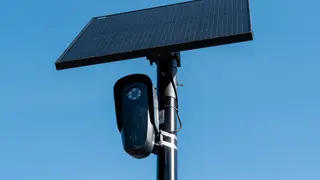
A federal judge in Oklahoma determined that law enforcement's warrantless use of Flock Safety's license plate recognition system violated Fourth Amendment protections, labeling the technology as indiscriminate mass surveillance. The ruling suppressed evidence obtained through the Flock search, marking one of the first instances where a court found such searches unconstitutional. The decision reflects growing momentum against the platform, with multiple states and Senator Bernie Sanders backing restrictions on the technology.
A federal judge in Oklahoma has determined that law enforcement violated constitutional protections when searching a license plate recognition database without judicial approval. The deputy in question had initiated the search based solely on the vehicle's out-of-state registration, then used the resulting location data to justify a vehicle search that allegedly uncovered narcotics. The judge characterized the technology as problematic because it enables authorities to passively collect movement information on all vehicles indiscriminately, rather than targeting specific individuals based on established suspicion.
The ruling reflects broader skepticism about automated license plate readers. Multiple state governments have announced plans to discontinue the service, while a new federal proposal would restrict its use by government agencies nationwide. The company's leadership has acknowledged concerns about misuse, particularly cases where law enforcement personnel have exploited the system to track individuals.
This decision could influence how courts evaluate location-tracking technologies and law enforcement access to surveillance databases. The ruling may encourage other judges to scrutinize warrantless searches of similar systems, potentially affecting adoption rates among police departments. Privacy advocates, government officials across the political spectrum, and technology companies may all face pressure to establish clearer legal standards around automated surveillance tools. The outcome could reshape how emerging location-tracking technologies balance security applications against individual privacy expectations in public spaces.