Researchers Identify Bacterial Trigger That Pushes Stomach Tissue Toward Cancer
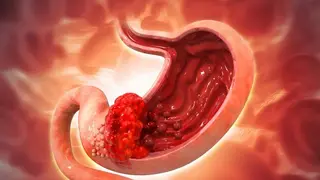
Charité – Universitätsmedizin Berlin scientists mapped how chronic Helicobacter pylori infection alters communication among immune cells, connective tissue, and stomach lining cells, potentially initiating a path toward precancerous changes. The research reveals that the common bacterium activates a tissue repair program that, over years of infection, creates conditions favorable for gastric cancer development. These findings could eventually enable interventions that prevent cancer from forming before tumors become detectable.
Helicobacter pylori is a bacterium that colonizes the stomach and can persist for decades, often spreading within families. While many infected individuals experience chronic inflammation or ulcers, some face significantly elevated gastric cancer risk. The Berlin research team focused specifically on understanding the molecular mechanisms in patients with familial histories of H. pylori-related gastric cancer, recognizing the clinical anxiety such individuals experience when awaiting potential disease development.
The study employed advanced molecular techniques to decode cellular communication during infection. Researchers examined thousands of individual cells through sequencing technology to identify which genes activate during disease, then used animal models to test whether specific signaling pathways were essential for observed tissue changes. They also constructed miniature tissue cultures combined with connective tissue cells, enabling controlled investigation of how different cell populations interact during infection-driven transformation.
These findings could potentially benefit millions globally, as H. pylori affects roughly half the world's population. High-risk individuals—particularly those with family histories of gastric cancer—might eventually access preventive interventions before precancerous changes become irreversible. Earlier detection or interruption of the cellular signaling cascade could shift treatment from managing advanced tumors to preventing their formation, potentially reducing gastric cancer mortality in susceptible populations and decreasing healthcare burden from this disease.