Compounds Derived From Cancer Medications Show Promise Against Multiple Malaria Parasite Stages
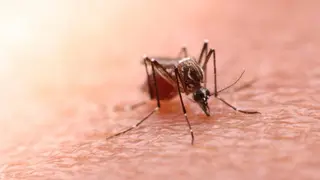
Brazilian researchers tested 14 compounds derived from anti-cancer drugs and found they could eliminate the malaria parasite Plasmodium falciparum at both the asexual stage where it causes fever and the gametocyte stage responsible for mosquito transmission. This dual-stage activity is particularly valuable as the parasite has developed resistance to conventional antimalarial drugs like artemisinin. While results remain limited to laboratory cultures so far, the findings suggest a new approach to combating one of the world's deadliest infectious diseases.
Malaria parasites undergo distinct biological transformations within human hosts, first replicating within blood cells to trigger characteristic fever symptoms, then shifting into a transmissible form capable of infecting mosquitoes. This lifecycle complexity has historically made treatment difficult, as drugs effective against one stage may fail at another. The emergence of drug-resistant Plasmodium falciparum strains has intensified this challenge, with the parasite now showing diminished susceptibility to antimalarials that once formed the backbone of treatment protocols.
The Brazilian research team's approach of repurposing cancer drug derivatives represents a strategy shift in antimalarial development. By screening compounds originally designed to target cancer cells, researchers identified molecules demonstrating activity against both the symptomatic and transmissible parasite stages simultaneously—a rare dual-action property. However, the team acknowledged significant hurdles before clinical application, including rapid drug degradation in biological systems and potential toxicity concerns inherited from the compounds' original oncological applications.
If validated through animal and human trials, these compounds could reshape malaria treatment by offering options against resistant parasites while simultaneously reducing transmission potential. This may prove particularly significant for endemic regions in Africa and Southeast Asia where resistance limits therapeutic choices. However, the toxicity profile and bioavailability challenges would need resolution before widespread implementation. Success could complement existing control strategies, potentially accelerating progress toward malaria elimination in vulnerable populations.