Major Crypto Conference Draws Wall Street Heavyweights to Singapore
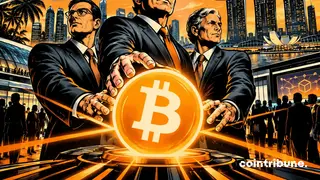
TOKEN2049 opens October 7-8, 2026 at Marina Bay Sands in Singapore, expecting 25,000 participants from 7,000 companies across 160 countries, with 300 speakers including Nasdaq's president, Franklin Templeton's leadership, and executives from BlackRock, Morgan Stanley, and Goldman Sachs. The conference represents the year's only major TOKEN2049 event following the postponement of Dubai's edition to 2027. Last-minute tickets cost $699 base price, with additional networking and institutional sessions available throughout the week-long event ecosystem.
TOKEN2049 Singapore represents a watershed moment for institutional finance's integration into cryptocurrency markets. The conference's scale—spanning five floors of Marina Bay Sands with participants from 160 countries—underscores crypto's evolution from niche speculation to mainstream asset class. The postponement of Dubai's edition ensures Singapore captures concentrated attention from major financial institutions seeking to develop digital asset strategies and identify emerging platforms and service providers within the sector.
The attendance of C-suite executives from Nasdaq, BlackRock, Morgan Stanley, and Goldman Sachs reflects these firms' commercial imperatives rather than ideological shifts. These organizations increasingly offer cryptocurrency products to clients, necessitating direct engagement with infrastructure, protocols, and market participants at specialized venues like TOKEN2049. The institutional track scheduled for October 8 specifically caters to this demographic, creating dedicated networking space for financial decision-makers to evaluate partnerships and market opportunities.
TOKEN2049's Wall Street presence may accelerate institutional adoption of cryptocurrency infrastructure and services, potentially increasing market liquidity and regulatory clarity. However, heightened institutional participation could also concentrate market influence among established financial entities, possibly affecting retail investor accessibility and market dynamics. The event may signal either democratization of crypto finance or consolidation under traditional finance gatekeepers—outcomes that warrant monitoring as these relationships develop.