Ergonomic Gaming Keypad Delivers Comfort But Requires Software Updates
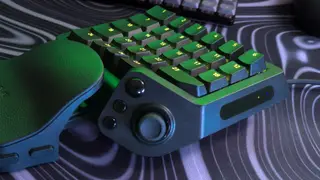
The Razer Tartarus V2 Pro combines an ergonomic design with customizable key actuation depth and a thumbstick control option for gaming. While the device offers excellent comfort and clever functionality through adjustable switches, the accompanying Synapse software needs updates to fully realize the thumbstick's potential. The accessory performs well enough to work offline using onboard profiles, though some control options remain limited.
The Razer Tartarus V2 Pro represents the latest iteration of a specialized gaming peripheral category dating back over a decade. Previous models in the Tartarus line launched at progressively higher price points, with the original 2013 version retailing for $79.99 and climbing to $199.99 for this newest variant. The device distinguishes itself through customizable actuation depth on individual keys and the integration of a thumbstick control element alongside traditional key switches.
The keypad's reliance on Synapse software for full functionality presents a tradeoff for users prioritizing convenience. While the device can operate independently using onboard profiles without requiring the companion application, certain features—particularly thumbstick orientation adjustments—remain unavailable until software updates address current limitations. This approach allows offline gaming sessions but potentially frustrates users seeking complete feature access immediately after purchase.
The ergonomic gaming peripherals market may see increased competition if premium-priced specialized keypads like this model gain traction among PC gamers experiencing strain from extended sessions. Such products could influence how gaming hardware manufacturers approach comfort-focused design, particularly for players seeking alternatives to traditional keyboards. However, the niche appeal and high price point suggest impact would likely remain limited to dedicated gaming communities rather than affecting broader consumer hardware trends or mainstream gaming accessibility discussions.