Fungal infection spreads to Yosemite toads during winter hibernation
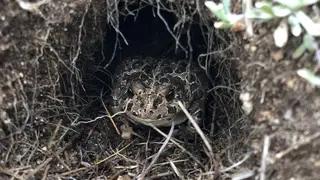
Researchers studying Yosemite toads discovered that juvenile amphibians acquire chytrid fungal infections while sheltering underground during winter, despite the pathogen's dependence on water for transmission. The finding reveals an unexpectedly vulnerable period in the toads' lifecycle and suggests new strategies may be needed to protect the threatened species. Understanding how the waterborne fungus persists in the dry burrows where toads spend roughly half the year could inform conservation efforts.
Yosemite toads inhabit high-elevation meadows in California's Sierra Nevada, where environmental conditions force them to spend approximately half their annual cycle in underground dormancy to survive harsh winters. The chytrid fungus responsible for their infections is a skin pathogen that normally requires aquatic environments for transmission, making its prevalence in dry burrows scientifically puzzling. Researchers suspect either that young toads carry undetectable early-stage infections into hibernation that intensify over months, or that crowded winter shelters facilitate fungal spread among multiple individuals.
The discovery has prompted conservation strategy adjustments, with breeding programs now prioritizing the release of adult toads less vulnerable to winter infections. Understanding the mechanisms of underground fungal persistence could yield targeted interventions during vulnerable life stages, potentially offering a new approach to combating a pathogen responsible for amphibian population declines worldwide.
This research could influence how wildlife managers approach amphibian conservation more broadly. By identifying a previously unrecognized infection pathway, the findings may prompt similar studies in other hibernating amphibian species facing chytrid threats. Practical outcomes could include modified reintroduction protocols and habitat management strategies that address underground conditions. The work demonstrates how unexpected ecological findings may reshape conservation priorities and resource allocation for threatened species programs.