DHS Secretary Mullin Criticizes Democratic Senate Candidate for Citing Scripture to Defend Progressive Policies
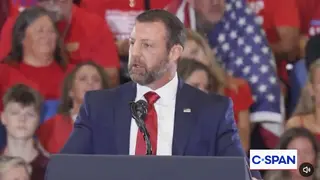
DHS Secretary Markwayne Mullin attacked Texas Democratic Senate nominee James Talarico for invoking biblical grounds to justify support for universal healthcare and criticism of systemic corruption. Talarico, a Presbyterian seminarian, posted statements claiming Jesus's healings and the Hebrew prophets' actions provided scriptural justification for his progressive agenda. Critics have highlighted the apparent hypocrisy of Mullin's criticism, given that Trump administration officials including War Secretary Pete Hegseth have themselves used scripture to defend their positions.
James Talarico, a Presbyterian seminarian running as the Democratic nominee for Texas Senate, drew scrutiny after publicly connecting his policy positions to Christian theology. He argued that Jesus's healing ministry and the prophetic tradition of challenging corruption provided biblical support for universal healthcare and systemic reform. His statements generated significant online engagement and prompted official response from the Trump administration.
DHS Secretary Markwayne Mullin's criticism occurred during a campaign event, where he characterized the use of scripture to justify political positions as inherently problematic. However, observers noted similar practices among current administration officials, particularly War Secretary Pete Hegseth, who has incorporated biblical references into military policy announcements and religious programming, suggesting selective application of the principle Mullin articulated.
The exchange illustrates ongoing tensions regarding the relationship between religious conviction and political advocacy in American public life. Citizens across the political spectrum may interpret the incident differently—some viewing it as inappropriate conflation of faith and policy, others as legitimate expression of religiously-informed values. The apparent inconsistency in how different officials employ scripture could influence public perceptions of administration credibility and raise broader questions about standards governing official statements on matters of faith.