African Union Calls for De-escalation as Ethiopia Expels Eritrean Diplomats
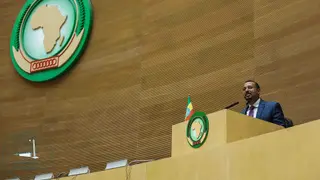
The African Union Commission issued a call for maximum restraint on October 1st after Ethiopia closed its embassy in Asmara and expelled 10 Eritrean diplomats, prompting Eritrea to cut ties in return. Egypt also became entangled when both nations expelled each other's diplomats, though an Egyptian government source later disputed the AU's characterization of the incident. The diplomatic crisis occurs amid Ethiopia's internal conflict and has strategic implications for the Red Sea trade route.
The diplomatic rupture stems from longstanding accusations that Eritrea has supplied weapons and military support to opposition forces fighting within Ethiopia's borders, allegations Eritrea denies. The timing intensifies existing regional instability, as Ethiopia simultaneously contends with an armed conflict in its northern regions. Egypt's involvement appears tangential—it became entangled after expelling an Ethiopian diplomat in response to Ethiopia's expulsion of an Egyptian envoy, yet Egyptian officials have disputed the African Union's framing, suggesting the continental body inappropriately linked Egypt to what they characterize as an internal Ethiopian matter.
The dispute could disrupt regional stability and commerce along the Red Sea, a critical global shipping corridor. A prolonged diplomatic breakdown may complicate efforts to resolve Ethiopia's internal conflict and could influence broader geopolitical calculations in the Horn of Africa. The recent U.S. decision to lift Eritrean sanctions suggests Washington views regional engagement as strategically important, making unresolved tensions between these nations potentially consequential for international relations and trade flows passing through one of the world's busiest maritime routes.