Houthis and Saudi forces escalate strikes amid renewed conflict in Yemen
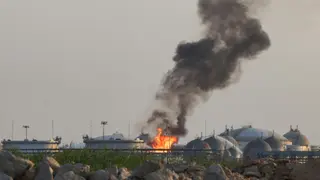
Yemen's Houthi rebels claimed responsibility for attacking an Aramco oil facility south of Riyadh using ballistic missiles and drones, with journalists witnessing fires at the site. The Iran-backed group accused Saudi Arabia of launching 26 strikes on the Yemeni capital Sanaa, following the Houthis' recent seizure of Yemen's Red Sea coast. The escalating exchanges mark a significant intensification since fighting resumed in July.
The current hostilities represent a dramatic escalation following four years of relative stability in Yemen. The conflict reignited in July after Iran flew a Houthi delegation to Sanaa without Saudi authorization, breaking a decade-long diplomatic practice. Saudi Arabia responded by striking the airport, prompting the Houthis to resume attacks on Saudi territory for the first time in several years. The Iran-backed group has since executed a rapid military campaign securing Yemen's coastal regions and the strategically vital Bab al-Mandab strait.
The targeting of critical infrastructure on both sides signals a shift toward economic warfare. The Houthis have announced a naval blockade affecting Saudi shipping routes in the Red Sea, while simultaneously striking oil facilities that are central to Saudi Arabia's economy. These parallel campaigns suggest both sides are prepared for prolonged confrontation beyond conventional battlefield engagement.
The renewed fighting threatens to deepen Yemen's humanitarian crisis, already among the world's most severe. With three-quarters of the population unable to meet basic food needs, renewed conflict disrupts supply chains and diverts resources from civilian populations. Regional shipping disruptions from the announced Red Sea blockade could affect global trade and energy markets. The escalating cycle of strikes may also draw wider international involvement, potentially complicating efforts to restore stability across the Middle East.