CleanTechnica Offers Blueprint for Communities to Launch Their Own Sustainability Expos
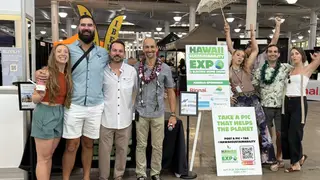
CleanTechnica hosted its inaugural Hawaii Sustainability Expo in April 2026, attracting 1,300 attendees and 80 vendors with features including electric vehicle test drives, e-bike demonstrations, and local food offerings. The organization is now offering to help communities nationwide replicate this successful model by providing strategic guidance, vendor connections with major companies, and shared learning among organizers. Local groups interested in hosting these events would handle customer discovery, marketing, logistics, and speaker coordination while benefiting from CleanTechnica's established relationships with manufacturers and retailers.
CleanTechnica's inaugural Hawaii event in April 2026 demonstrated strong community interest in sustainability initiatives, drawing over 1,300 participants and featuring interactive experiences like vehicle demonstrations and locally sourced food vendors. The organization has identified key success factors that transfer across geographic regions, including consumer demand for environmentally friendly products, hands-on engagement opportunities, and cost-saving solutions that appeal to broad audiences.
The replication framework divides responsibilities between CleanTechnica and local organizers. National leadership leverages established relationships with major manufacturers and retailers to secure vendor participation, while community groups manage regional logistics, marketing, stakeholder engagement, and speaker programming. This partnership model aims to reduce startup burden and operational uncertainty for new event hosts.
By decentralizing sustainability expos across multiple communities, this initiative could expand public exposure to renewable energy products and electric vehicles beyond traditional marketing channels. Local organizers and regional businesses may benefit from reduced event production costs and shared expertise, potentially lowering barriers to market entry. However, success may vary depending on regional economic conditions, existing environmental infrastructure, and community engagement capacity, making outcomes uncertain in different geographic contexts.