Church Leader Condemns Prediction Markets as Gambling, Challenging Trump Administration's Regulatory Stance
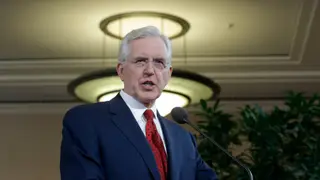
A senior leader of the Church of Jesus Christ of Latter-day Saints has warned that prediction markets and online betting platforms constitute gambling that promotes greed among young people and produces no societal value. The church's position puts it at odds with the Trump administration, which argues prediction markets like Kalshi and Polymarket should be regulated as finance rather than gambling. Utah, home to the church's headquarters, has been central to legal battles over prediction market regulation, with a federal judge ruling in August that state officials can enforce strict anti-gambling laws against these platforms.
The dispute over prediction markets represents a clash between religious institutions and the current administration's regulatory philosophy. Utah has emerged as a crucial battleground in this conflict, given both the state's historical prohibition on gambling and its status as headquarters for the Latter-day Saints church. A federal court decision in August validated Utah's ability to apply existing anti-gambling statutes to prediction platforms, and state legislators subsequently strengthened these laws with amended language specifically targeting such markets.
Multiple faith traditions beyond the Latter-day Saints church have articulated opposition to gambling expansion. The Southern Baptist Convention, United Methodist Church, and Islamic teachings all condemn wagering activities, though Catholic doctrine treats gambling with more nuance. This alignment among diverse religious groups suggests the prediction market debate extends beyond a single church's concerns to represent broader institutional anxieties about gambling's societal proliferation.
The church's public stance could influence regulatory outcomes in states with substantial Latter-day Saints populations and may shape how other faith-based organizations approach prediction market policy. Conversely, the Trump administration's deregulatory approach could limit the church's lobbying effectiveness. The outcome may affect younger demographics' access to these platforms and potentially reshape how financial regulators classify betting markets. Different regulatory conclusions across states could create a fragmented compliance landscape for prediction market operators.