President Announces $90 Medicare Payments to Seniors as Part of Broader Pre-Election Spending Agenda
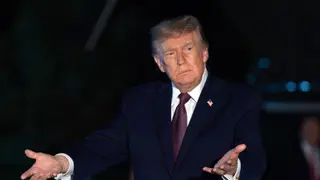
President Trump announced $90 payments to over 20 million Medicare seniors ahead of midterm elections, adding to previous campaign promises of $500 Affordable Care Act rebates and a $5,000 payment to all American adults if Republicans retain congressional control. The cumulative cost of these pledges would likely exceed $1 trillion and require congressional approval, potentially worsening inflation and deficit spending. The announcement comes as polling shows Americans increasingly blame Trump for high inflation, with only 17% approving of his handling of rising costs.
The Medicare Improvement Fund, created by Congress in 2008, was designed to provide flexible resources for enhancing program operations and provider payments. Historically, administrations have not directed these funds toward direct senior payments, though Congress has periodically allocated money from it for other legislative priorities. The current proposal targets traditional Medicare Part B enrollees who aren't receiving Medicaid assistance or income-based premium adjustments, excluding the growing population of seniors in private Medicare Advantage plans—representing over half of eligible beneficiaries.
The broader campaign pledge to distribute $5,000 to all American adults would require congressional authorization and carries substantial fiscal implications. Combined with the $500 ACA rebate program and the $90 Medicare payments, these initiatives could collectively exceed $1 trillion in spending, potentially affecting federal deficit levels and inflationary pressures on the economy.
These payment announcements may influence voter sentiment among seniors and lower-income households facing healthcare costs, particularly ahead of midterm elections. The proposals could reshape how administrations view emergency funds designated for program operations. However, the fiscal magnitude of cumulative pledges could strain federal finances, potentially affecting long-term healthcare sustainability and inflation dynamics. Critics may question whether temporary payments address underlying affordability concerns, while supporters might view them as immediate relief for vulnerable populations.