Ohio State's Jeremiah Smith Takes Heisman Favorite After Historic Record-Breaking Performance
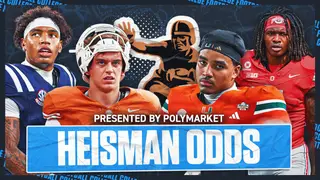
Ohio State wide receiver Jeremiah Smith surged to the top of the 2026 Heisman Trophy odds following a dominant performance against Iowa where he set multiple school records and became the first pass-catcher since DeVonta Smith to emerge as the award's frontrunner. Smith established Ohio State marks for most career receiving touchdowns and receptions while setting a single-game record with four touchdown catches. His exceptional play has repositioned him ahead of Miami's Darian Mensah and Indiana's Keelon Russell in the Heisman race.
Jeremiah Smith's ascent to Heisman frontrunner represents a significant moment in college football history, as he pursues an award typically dominated by quarterbacks and running backs. His record-setting performances against Iowa and Illinois have established him as the most productive wide receiver in Ohio State history across multiple statistical categories. The previous season saw Indiana's Fernando Mendoza win the award after leading his team to an undefeated national championship, creating an open competition among several talented candidates this year.
Smith faces competition from Miami quarterback Darian Mensah, whose early-season performances included a 401-yard, five-touchdown game against Stanford that placed him among elite statistical performers. Other contenders include Indiana's Keelon Russell and several other standout players across major college programs, though Smith's current odds of +110 reflect his commanding position following consecutive games exceeding 200 receiving yards.
The 2026 Heisman Trophy race may influence how college football programs evaluate and develop wide receiver talent, potentially affecting recruiting strategies and offensive scheme priorities. Smith's emergence as a favorite could shape media coverage of non-quarterback positions and alter fan engagement with receiving statistics. The award's outcome may impact viewership patterns and betting markets for college football, while also setting precedent for how voters prioritize different positional contributions to team success in future seasons.