BYU Survives Rainy Night in Fort Worth with Dominant Defense Despite Offensive Struggles
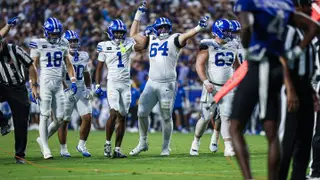
No. 10 BYU defeated TCU 17-10 in wet conditions at Fort Worth, showcasing the type of defensive-minded victory that separates elite college football teams from good ones. Quarterback Bear Bachmeier threw for just 62 yards—the lowest output of his BYU career—and the Cougars managed zero explosive pass plays of 15+ yards despite entering the game as one of the nation's most explosive offensive units. The rain-soaked matchup represented only the second time in program history that BYU won a game while throwing for fewer than 100 yards.
BYU's offensive performance against TCU represented a historic low point for the program, with the Cougars accumulating just 216 total yards—the fewest in any winning effort since 1986. Quarterback Bear Bachmeier's 62-yard passing performance ranked as his career worst, and the team managed only a single pass completion exceeding 10 yards throughout the contest. These numbers became even more striking given BYU's reputation entering the game as one of college football's most dynamic offensive units, typically generating explosive plays at an 8.3% rate.
The rain-soaked conditions in Fort Worth clearly hampered BYU's aerial attack, yet the team compensated through defensive excellence and opportunistic scoring. A fourth-quarter 72-yard touchdown drive proved decisive, allowing BYU to overcome TCU despite sustained offensive struggles. The victory demonstrates how elite college programs can overcome significant tactical limitations through execution and defensive dominance.
This win may influence how college football programs and analysts evaluate defensive performance versus offensive production in determining team quality. For BYU's ranking and playoff positioning, the victory provides crucial validation that championship-caliber teams can succeed under adverse conditions. The result could also reshape recruiting narratives around defensive development and resilience, potentially affecting how prospective athletes evaluate program philosophies and coaching priorities.