Aston Martin Postpones Electric Vehicle Launch, Extends Gasoline Engine Production
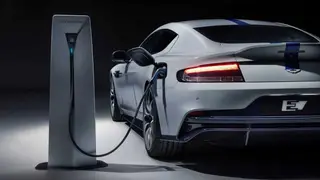
Aston Martin has pushed back the debut of its first electric vehicle to sometime between 2033 and 2035, according to company leadership. The luxury automaker plans to continue manufacturing traditional V8 and V12 gasoline engines through 2035 to maintain its performance heritage. This delay reflects the company's strategic approach to transitioning toward electrification while preserving its iconic powertrain offerings.
Aston Martin's timeline for entering the electric vehicle market now extends into the early-to-mid 2030s, representing a notable postponement from the company's earlier electrification roadmap. The British automaker has determined that maintaining production of its signature internal combustion engines through 2035 aligns with its brand identity and market positioning in the luxury segment.
This strategy reflects a deliberate choice to balance environmental pressures with the brand's heritage. By preserving V8 and V12 engine manufacturing alongside a delayed EV launch, the company aims to serve customers who prioritize traditional performance characteristics while gradually transitioning toward electrified powertrains in subsequent years.
Aston Martin's extended timeline may affect consumers seeking luxury electric alternatives from established heritage brands, potentially channeling demand toward competitors introducing EVs sooner. The decision could influence investor confidence regarding the company's electrification commitment. Suppliers and dealership networks may adjust planning based on prolonged gasoline engine demand, while enthusiasts of traditional performance cars may view the extension favorably. The approach's long-term viability depends on market acceptance and regulatory environments evolving as anticipated.