Spanish Pop Star Delivers Theatrical Final Show Despite Oscar Recognition for Film Debut
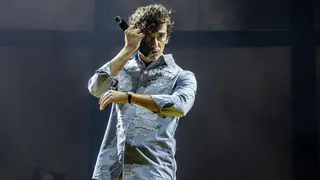
Guitarricadelafuente concluded his Spanish Leather World Tour with a sold-out performance in Madrid that showcased his abilities as a performer despite concurrent buzz surrounding his acting debut in the film La Bola Negra. The concert featured elaborate staging with sand-covered floors and Western imagery reflecting his album's aesthetic, along with frequent costume changes that highlighted his charisma and connection to his audience. The show balanced spectacle with intimate moments while exploring themes of queerness that have defined both his music career and public identity.
Guitarricadelafuente's Madrid concert marked the conclusion of a major world tour supporting his critically acclaimed album Spanish Leather, which has become one of Spain's defining records in recent years. The 29-year-old performer, born Álvaro Lafuente Calvo, simultaneously navigated the launch of his acting career with a starring role in La Bola Negra, a film that earned significant international recognition including the People's Choice Award at Toronto International Film Festival and subsequent Oscar consideration.
The sold-out performance balanced theatrical production design—including sand-covered flooring and Western aesthetic elements—with intimate acoustic moments featuring collaborators from his earlier career. Beyond entertainment value, the concert integrated activism, with Guitarricadelafuente dedicating performances to Madrid's housing crisis advocates and featuring a video appearance from multimedia artist Samantha Hudson encouraging attendees to support ongoing protests.
This story illustrates evolving career trajectories in entertainment, where artists increasingly pursue multiple creative disciplines simultaneously. Guitarricadelafuerte's dual success in music and film could influence industry perspectives on cross-disciplinary talent, potentially encouraging music industry figures to pursue acting roles and vice versa. Additionally, his integration of social activism into concert programming may reflect or reinforce audience expectations that entertainment platforms serve broader civic engagement purposes, shaping how performers navigate their public responsibilities.