California Court Halts Enforcement of H-1B Worker Payment Requirement
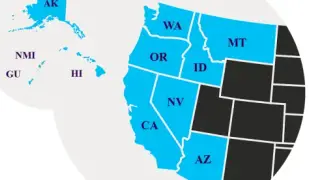
A federal district court in California blocked U.S. immigration agencies from enforcing a $100,000 payment requirement for H-1B visa holders established by presidential proclamation. The ruling applies to the Department of Homeland Security, Customs and Border Protection, and the State Department, joining an earlier Massachusetts court decision blocking the same requirement. This separate court order does not affect a proposed $103,265 fee for H-1B cap-subject petitions that remains under regulatory review.
The blocked requirement stemmed from two presidential proclamations issued over a year apart. President Trump first established the $100,000 payment obligation in September 2025, which affected H-1B visa applicants undergoing consular processing or seeking entry at U.S. ports of entry. The requirement was subsequently extended through mid-2027 via a second proclamation issued in September 2026. The legal challenge was brought by a diverse coalition including employers, educational institutions, healthcare providers, and worker advocacy organizations, all contesting both the payment mandate itself and the federal agencies' authority to implement it without following standard regulatory procedures.
The California court's decision mirrors an earlier Massachusetts ruling, creating conflicting enforcement conditions across jurisdictions. However, the Massachusetts decision currently faces appellate review, leaving the legal landscape uncertain. Meanwhile, a separate but distinct fee proposal—a $103,265 charge for certain H-1B petitions—remains under regulatory development and is unaffected by these court orders, though it has not yet taken effect.
The ruling could significantly affect employers who sponsor H-1B workers, potentially reducing their compliance costs and administrative burdens during the visa application process. Workers and sponsoring organizations may experience greater access to the H-1B program if the payment requirement remains blocked. However, ongoing litigation and possible appeals could create prolonged uncertainty. Additionally, the separate proposed fee for cap-subject H-1B petitions, if finalized, could still impose new financial requirements on employers regardless of this court's decision.