New guide explores residential design across America's desert regions
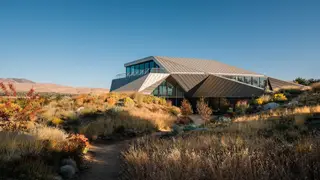
Jessica Ritz's book 'Desert Dreaming: Design in the Southwest and Beyond' examines residential architecture throughout North America's four major desert territories, including the Chihuahuan, Mojave, Sonoran, and Great Basin regions. The volume traces how builders and architects developed solutions to the environmental challenges posed by arid landscapes, resulting in distinctive styles ranging from desert modernism to traditional adobe and earth-building methods. Ritz explores how desert dwellers—from indigenous populations to contemporary residents—adapted their construction techniques and lifestyle choices to thrive in these demanding ecosystems.
Jessica Ritz's new publication examines how residential construction evolved across four distinct North American desert zones—the Chihuahuan, Mojave, Sonoran, and Great Basin—demonstrating how environmental pressures shaped architectural innovation. The book documents design approaches spanning from centuries-old indigenous building traditions using adobe and earth materials to contemporary desert modernism, illustrating how each method represents thoughtful responses to arid climate demands.
The volume features notable residential projects from recognized architecture firms, including award-winning designers whose work balances aesthetic ambition with practical sustainability. Ritz's analysis emphasizes that successful desert architecture emerges through dialogue between human intention and landscape constraints, revealing how builders across different eras and backgrounds developed distinct yet cohesive design philosophies suited to these ecosystems.
The publication may influence how architects and homeowners approach residential design in arid climates, potentially encouraging greater integration of historical building wisdom with contemporary methods. Design professionals could reference the book when developing sustainable solutions for desert communities, while prospective residents in these regions might gain appreciation for vernacular traditions. The work may also contribute to broader conversations about climate-responsive architecture and cultural preservation of indigenous construction practices in the American Southwest.