Thorpeness: Britain's Elegant Purpose-Built Seaside Village Eschews Traditional Tacky Resort Aesthetics
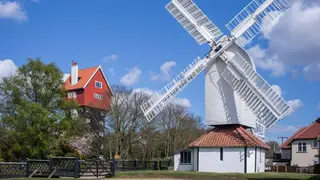
Thorpeness on the Suffolk coast stands apart from typical British seaside resorts with its refined design and historic character rather than carnival attractions. The village was entirely constructed in 1913 by visionary Glencairn Stuart Ogilvie, featuring Tudor-style timber homes, a windmill, boating lake, and distinctive water towers instead of the funfairs and amusement arcades common to other coastal towns. Located between the affluent town of Aldeburgh and Sizewell nuclear station, Thorpeness has maintained its understated charm over more than a century.
Thorpeness represents a distinctive approach to seaside development that prioritised architectural cohesion and landscape design over commercial entertainment infrastructure. Rather than embracing the Victorian model of amusement-driven tourism that characterised competing coastal destinations, the village's founder created a unified residential and recreational environment through carefully planned features including domestic housing, water management systems, and leisure facilities like the artificial boating lake.
The village's longevity—maintaining its character for over a century—suggests that the original conception successfully balanced holiday appeal with liveable community standards. Its location between Aldeburgh and Sizewell situates it within a distinctive stretch of the Suffolk coastline, where proximity to both cultural attractions and industrial landmarks creates a unique regional context for heritage tourism and residential appeal.
Thorpeness may influence how heritage sites and historic villages market themselves to contemporary visitors seeking alternatives to conventional seaside tourism. The story could encourage similar communities to emphasise architectural and design heritage as distinguishing factors, potentially affecting visitor expectations and local economic strategies. However, the appeal of refined aesthetics may primarily attract affluent demographics, raising questions about accessibility and whether heritage preservation strategies inadvertently reshape communities' social composition through selective tourism marketing.