Philadelphia's historic Academy of Natural Sciences closes after nearly two centuries amid funding crisis
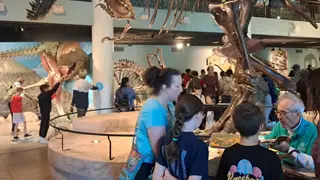
The Academy of Natural Sciences in Philadelphia, founded in 1812 and the first natural history museum in the world to display a dinosaur skeleton, ceased operations at the end of September. The closure sparked significant community opposition, with activists organizing save-the-museum campaigns that garnered over 114,000 petition signatures and multiple rallies. The museum's closure reflects broader challenges facing cultural and scientific institutions facing funding declines.
The Academy of Natural Sciences holds distinction as the oldest natural history museum in the Americas, having welcomed the public since 1828. Its most notable achievement came in 1868 when it became the first institution globally to display a dinosaur skeleton to visitors. The museum housed an extensive collection of scientific specimens, maintained live animal exhibits, and offered rotating displays that served as an educational anchor for generations of Philadelphia-area residents.
Drexel University assumed financial stewardship of the institution in 2011, but operational sustainability deteriorated in the post-pandemic period as maintenance costs increased while visitor numbers dropped. The one-month closure notice caught stakeholders off-guard, as the museum experienced a dramatic surge in attendance during its final weeks—with revenue exceeding prior year figures by more than twenty-fold—prompting observers to question whether earlier transparency about financial challenges might have enabled preservation efforts.
The Academy's closure illustrates pressures confronting cultural and educational institutions dependent on limited funding streams. Communities may lose irreplaceable repositories of scientific knowledge and educational resources that inspire public interest in natural history. The sudden nature of the closure could affect local school programming, family engagement with science education, and tourism. The case may prompt broader examination of how museums and similar organizations can maintain sustainability while serving public missions, potentially influencing funding and governance models across comparable institutions nationwide.