Rare Atmospheric Optics: Multiple Rainbows Appear Over Jersey Shore
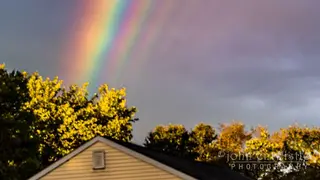
Following Hurricane Florence in 2018, a photographer captured an unusual atmospheric phenomenon over New Jersey featuring multiple supernumerary rainbows appearing simultaneously. These extra rainbows form when water droplets of nearly uniform size create interference patterns in sunlight, similar to ripples in water. The optical effect provided early scientific evidence in the 1800s for light's wave-like properties.
Following the 2018 passage of Hurricane Florence's remnants across the New Jersey coast, atmospheric conditions created an extraordinary optical display. A photographer documented at least five distinct supernumerary rainbows appearing simultaneously in the sky, a phenomenon that unfolded over approximately thirty minutes with the additional bands fading and intensifying throughout the period.
Supernumerary rainbows result from a specific meteorological condition: water droplets of nearly uniform size, typically smaller than one millimeter in diameter. When sunlight passes through these uniformly-sized droplets, the light waves interact and interfere with one another—similar to how ripples interact when disturbed on a water surface. This interference pattern creates the additional rainbow bands beyond the primary and secondary rainbows normally visible.
This atmospheric phenomenon may interest meteorologists and climate scientists studying post-hurricane conditions and optical physics. While supernumerary rainbows pose no direct societal impact, their occurrence could help advance understanding of rain droplet formation during extreme weather events. The documented observation may contribute to broader scientific knowledge about precipitation patterns following major storms, potentially benefiting weather prediction and climate research communities.