Torrential Rains Trigger Widespread Travel Chaos Across Eastern Spain
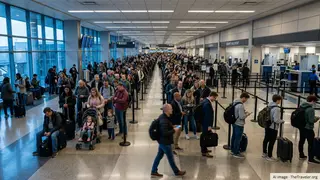
A stalled weather system known as DANA has dumped over 200 millimeters of rain across eastern Spain, prompting the highest-level weather warnings and forcing authorities to close roads and suspend rail services. Barcelona and Valencia airports have canceled flights while regional civil protection agencies warn residents to avoid flood-prone areas including underpasses and riverbeds. The severe conditions are expected to persist through Monday, with further disruptions anticipated across key travel corridors during the autumn holiday season.
A slow-moving atmospheric depression known as DANA has stationary over eastern Spain since Thursday, delivering extreme rainfall rates to already water-saturated regions. Coastal and inland areas of Catalonia, Valencia, and Castellón have borne the brunt of the system, with some localities measuring over 200 millimetres in short timeframes. Sunday 4 October emerged as particularly severe, with meteorologists noting hourly precipitation rates exceeding 90 litres per square metre in vulnerable coastal zones.
The weather event has exposed infrastructure vulnerabilities across Spain's transport network during a peak travel period. Rail operators suspended entire commuter systems around major cities, while authorities coordinated evacuation advisories targeting flood-prone locations. Long-distance rail services face cascading delays and cancellations extending into the following week, affecting passengers who must now navigate alternative routes or seek refunds under consumer protection provisions.
The disruption may significantly strain autumn holiday travel across Spain's eastern corridor, potentially affecting thousands of passengers relying on rail and air networks. Commuters and tourists could face extended journey times, financial losses from cancelled services, and accommodation challenges if stranded. Regional economies dependent on tourism may experience revenue impacts, while businesses relying on transport logistics could face supply chain delays, suggesting the event's consequences may extend beyond immediate weather-related disruptions into broader economic and social adjustments.