Mycenaean tombs were carefully choreographed displays of wealth and power, new analysis shows
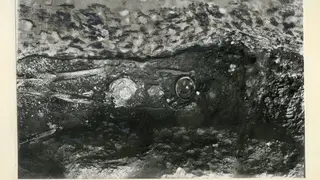
Research on the Dendra tholos tomb reveals that early Mycenaean burials between 1700 and 1400 BCE were deliberately composed visual arrangements rather than simple interments. Scholars examining mainland Greek burial practices found that the placement of precious objects like gold and weapons around the deceased followed intentional aesthetic and symbolic principles. This interpretation suggests Mycenaean elites used elaborate burials as carefully staged performances of status.
The Dendra tholos tomb study examines burial customs among Mycenaean societies during the Bronze Age, focusing on how material goods were positioned within graves. Rather than viewing these interments as routine disposals of the deceased, researchers now understand them as deliberate compositional arrangements where valuables held specific locations and meanings. This shift in interpretation reflects a broader scholarly movement toward recognizing how ancient cultures encoded social information through spatial organization of ritual spaces.
This research may influence how archaeologists approach Bronze Age burial sites across the Mediterranean, potentially prompting reexamination of existing collections through a compositional lens. Museum professionals and academic institutions studying Mycenaean civilization could incorporate these findings into exhibition design and educational materials. The work may also deepen public understanding of how material culture communicates social hierarchy, offering insights applicable to studying other ancient societies' burial practices.