SNL's Cold Open Skewers Republican Party's Failed Search for Midterm Strategy
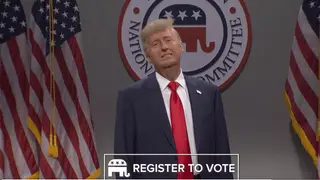
Saturday Night Live's cold open depicted Republican operatives auditioning various party figures to energize voters one month before midterm elections, with each candidate—Marco Rubio, JD Vance, Mitch McConnell, and Pete Hegseth—delivering unsuccessful pitches before finally turning to Donald Trump. The sketch mocked Vance's inability to speak coherently, McConnell's physical limitations, and Hegseth's controversial military standards speech delivered as slam poetry. The segment satirized the GOP's desperation to find a viable messenger as election season approaches.
Saturday Night Live's October 4 episode featured a satirical cold open examining Republican Party messaging challenges ahead of the midterm elections. The sketch presented a series of audition-style pitches from prominent GOP figures, each attempting to craft messaging designed to energize voters but ultimately falling short of the party operatives' expectations. The comedy centered on portraying these candidates as ineffective communicators or political liabilities.
The segment culminated with a final candidate whose proposed strategy involved a financial incentive contingent on electoral success, which the sketch humorously acknowledged as a questionable campaign tactic. Throughout the sketch, SNL employed exaggerated characterizations and physical comedy to underscore themes of political desperation and messaging failure within the Republican Party structure.
This SNL sketch may reinforce certain voter perceptions about Republican Party leadership and coherence during a pivotal election period. Late-night comedy's political satire could influence audience attitudes toward the figures depicted, potentially affecting how some viewers assess candidate viability. Conversely, critics might argue the sketch represents entertainment commentary rather than substantive political analysis. The segment's cultural reach through broadcast and social media distribution suggests it could shape broader public discourse surrounding midterm election narratives and party messaging effectiveness in the weeks leading to voting.