Testing Mosquito Control Tools: Which Repellents and Traps Actually Deliver Results
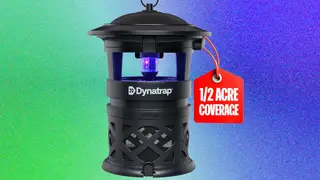
A comprehensive evaluation of mosquito deterrent products reveals which vapor-based repellents and trapping systems are most effective for protecting outdoor spaces. Products using technologies like metofluthrin and allethrin show promise in creating protective barriers without direct skin contact. The analysis underscores that while complete mosquito elimination is unrealistic, strategic use of tested repellent systems can significantly reduce populations in residential areas.
Mosquitoes rank among the most dangerous creatures globally, capable of spreading serious diseases including West Nile virus, Zika, dengue, and malaria—illnesses increasingly documented in North American regions. Rather than pursuing complete eradication, which remains impractical for homeowners, effective mosquito management emphasizes reduction strategies that create temporary protective zones around living spaces.
The article examines two primary technological approaches: vapor-based repellents that disperse chemicals like metofluthrin and allethrin without skin application, and mechanical trapping systems. Products tested range from portable battery-powered units weighing under a pound to larger stationary systems, with operating costs including chemical cartridge replacements and varying coverage areas typically spanning 10 to 20 feet in radius.
This evaluation could influence consumer purchasing decisions for millions managing mosquito problems seasonally or year-round. Homeowners may redirect spending toward scientifically validated products rather than ineffective alternatives, potentially improving outdoor quality of life. The findings may also inform public health discussions about personal versus community-level mosquito management, particularly as disease transmission vectors expand geographically due to climate and travel patterns.