Redistricting and Democratic challenges threaten Black representation in Florida's 20th district
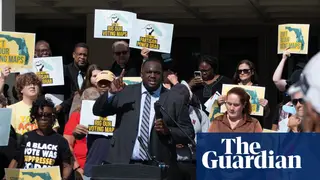
Florida's 20th congressional district, historically represented by Black legislators, saw its voting patterns altered through partisan redistricting efforts, complicating efforts to maintain minority representation. Democratic congresswoman Debbie Wasserman Schultz ultimately won the primary nomination for the seat despite competition from four Black candidates, raising questions about representation and resource disparities in traditionally minority districts. The redistricting battle reflects broader national efforts to dilute Black electoral power in Southern congressional seats.
The redistricting of Florida's 20th congressional district disrupted a three-decade pattern of Black representation that began when Alcee Hastings won the seat in 1992. Hastings, a former federal judge who had faced impeachment on corruption charges before his congressional victory, symbolized political resilience for many Black voters in the district. The altered district boundaries created vulnerability in what had been a secure minority seat.
The four Black candidates—including a former county mayor, a former congresswoman facing legal troubles, a young progressive activist, and a music industry figure—attempted to unite behind one nominee to preserve minority representation. However, this consolidation effort collapsed when Wasserman Schultz, a 21-year congressional veteran and former Democratic National Committee chair, entered the race with substantially greater fundraising capacity and party backing despite not residing in the district.
This race illustrates how redistricting decisions may reshape minority political power and raise questions about resource inequities in electoral competition. Black-majority districts typically generate less campaign funding than other districts, potentially disadvantaging minority candidates against well-established opponents. The outcome could affect how future contested seats balance concerns about minority representation against broader democratic participation, and may influence strategies minority communities employ to protect electoral influence amid partisan boundary changes.