Trump's campaign rallies become electoral burden as Republicans face midterm headwinds
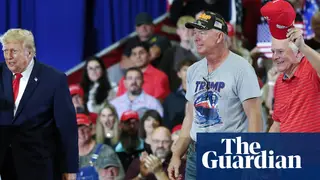
President Trump launched an aggressive campaign schedule featuring five to seven rallies weekly to support Republican candidates in upcoming midterm elections, despite concerns within his own party that his presence may be counterproductive. Trump's approval ratings have reached historic lows amid voter dissatisfaction over cost of living, foreign military operations, and immigration enforcement, with some Republican strategists warning his rallies function as political anchors sinking candidates. Political analysts suggest that Trump's continued prominence in campaigns alienates broader voter bases who are fatigued by his presence.
The former president has maintained an extraordinarily active schedule of campaign events since entering politics in 2015, with approximately one thousand rallies held over that period. His 32-day midterm campaign initiative represents an intensification of this approach, with plans to conduct between five and seven events weekly. However, this strategy occurs amid significant political headwinds, including historically low approval ratings and widespread voter frustration regarding multiple policy areas affecting daily life.
Internal Republican divisions have emerged regarding Trump's continued prominence on the campaign trail. Party strategists worry that his involvement in candidate campaigns may prove counterproductive, potentially dampening enthusiasm among broader voter demographics while energizing opposition. The tension reflects broader questions about whether political figures can effectively assist or hinder allied candidates depending on their current standing with the electorate.
This situation could affect electoral outcomes in ways that reshape congressional composition and legislative priorities. Voters in competitive districts may respond differently based on candidate associations with Trump, potentially influencing which issues receive legislative attention. Party unity and internal strategy decisions may also shift depending on midterm results, affecting how future campaigns prioritize candidate positioning and endorsement strategies. The dynamic illustrates broader tensions between political personalism and institutional party interests.