Trump's state-controlled economic policies contradict Republican anti-communist rhetoric
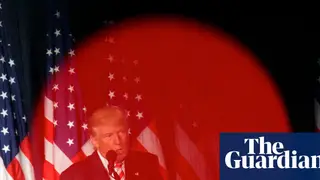
Despite Republican rhetoric condemning communist economic models, the Trump administration has increasingly adopted state control mechanisms over private enterprise deemed strategically important, ranking the United States 16th globally in state ownership by 2025. The administration has invested over $10 billion in stakes across companies including Intel and critical mineral ventures, and pressured foreign corporations like Nippon Steel to grant the government equity stakes as conditions for approval. Economic analysis reveals Trump's statist approach marks a departure from market-focused policies of both recent Democratic and Republican predecessors.
The Trump administration has made substantial financial commitments to secure government ownership stakes in sectors viewed as nationally critical. These investments exceed $10 billion and span diverse industries including semiconductor manufacturing, mineral extraction, nuclear energy production, and steel. Additionally, the administration has leveraged its regulatory authority to negotiate equity positions with foreign corporations seeking market access, establishing a pattern of conditioning business approvals on ownership concessions.
The shift represents a marked departure from recent decades of American economic policy. From 2002 through 2024, the United States consistently ranked among the world's lowest for state control of the economy. The dramatic repositioning—dropping to 16th place globally by 2025—suggests a fundamental recalibration of how policymakers view the relationship between government and private enterprise.
This policy reorientation could affect investment decisions across multiple sectors, potentially influencing how businesses plan capital allocation and growth strategies. Investors may face uncertainty regarding government intervention thresholds in strategically designated industries. The approach could reshape labor markets, pricing mechanisms, and competitive dynamics within these sectors. Simultaneously, citizens invested in free-market principles or those concerned about government efficiency in managing commercial operations may question whether state ownership advances or hinders broader economic objectives.