Iran Sets Seven Conditions for Restoring Strait of Hormuz Shipping Access
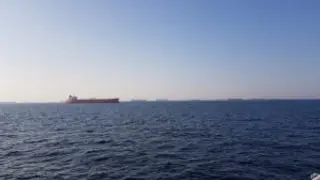
Iran has made the resumption of normal maritime traffic through the Strait of Hormuz contingent upon the United States meeting seven specific requirements from a June interim agreement. Negotiations between the two countries remain stalled over the disputed terms. The strategic waterway's closure continues to impact global shipping and energy markets.
Iran has attached seven specific demands to any agreement that would restore unrestricted passage through one of the world's most critical maritime chokepoints. These conditions reference terms outlined in a June interim accord between Tehran and Washington, suggesting previous diplomatic progress that negotiations have since failed to consolidate. The impasse reflects deeper disagreements over the implementation and interpretation of that earlier understanding.
The blockade of normal shipping operations through the Strait of Hormuz carries significant consequences for global commerce and petroleum supplies. As a major conduit for international energy trade, restrictions on transit through these waters create economic pressure on nations worldwide while influencing discussions about sanctions, nuclear agreements, and regional security arrangements between Iran and Western powers.
A prolonged closure of Strait of Hormuz shipping could pressure global energy prices upward and force supply chain adjustments across multiple industries. International trading partners, particularly those dependent on Middle Eastern oil and liquefied natural gas, may face economic consequences. The negotiating stalemate could also intensify geopolitical tensions in the region and complicate broader discussions about Iranian sanctions and nuclear policy, potentially affecting markets beyond shipping alone.