Gaming Chair Review: Boulies EP600 Delivers Comfort for Extended Gaming Sessions
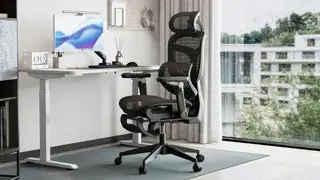
The Boulies EP600 ergonomic chair, released in summer 2026, provides customizable support designed for users who spend extended hours seated at desks. After a week of testing, the reviewer found the chair's setup straightforward and its modern design with advanced support features significantly more comfortable than older gaming chairs. The chair's full-body ergonomic design appears to address common issues like poor posture and physical strain associated with prolonged sitting.
The Boulies EP600 represents a significant advancement in ergonomic seating design, featuring a height range accommodation spanning nearly a foot to address users of varying statures. The reviewer's experience highlights a practical reality for desk-bound individuals: the chair demands an initial investment of time for proper calibration to deliver its intended benefits. This adjustment period, while potentially frustrating for consumers seeking immediate comfort, appears to unlock meaningful long-term advantages for posture support during extended work sessions.
The chair's reclining mechanism introduces an interesting engineering consideration—the seat base tilts in tandem with backrest movement, maintaining lumbar support rather than simply pivoting backward like conventional designs. This feature addresses a common weakness in traditional gaming chairs, where reclined positions often sacrifice back support entirely.
The EP600's release may influence purchasing decisions among remote workers and content creators who spend significant daily hours seated, potentially raising market standards for ergonomic features in gaming and office furniture categories. As workplace flexibility increases globally, improved seating solutions could affect employee wellness outcomes and reduce musculoskeletal strain-related productivity losses. However, the chair's premium positioning means benefits would likely remain concentrated among consumers with disposable income, potentially widening accessibility gaps in workplace health and comfort.