Wildlife Forensics Laboratory Enables Prosecution of International Trafficking Networks
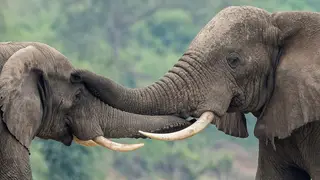
A laboratory in Uganda supported by the United Nations has successfully converted seized wildlife materials into criminal convictions through advanced DNA analysis and forensic techniques. The facility recently contributed to a case where DNA testing confirmed that intercepted material belonged to an elephant, resulting in a 15-year prison sentence for the trafficker. The laboratory serves a critical role in combating organized wildlife trafficking networks operating throughout East Africa by providing scientific evidence that can withstand legal scrutiny.
Uganda has emerged as a critical junction for illegal wildlife trade, particularly in elephant ivory and pangolin scales destined for international markets. The country's strategic location and trafficking infrastructure have made it a priority for law enforcement agencies seeking to disrupt supply chains that span across East Africa and beyond.
The forensic laboratory represents a significant institutional advancement in prosecutorial capacity. By establishing rigorous scientific protocols and chain-of-custody procedures, the facility addresses a fundamental challenge in wildlife crime: securing convictions when traffickers deliberately obscure or fragment animal remains to complicate identification.
The laboratory's development could strengthen accountability within organized trafficking networks by raising prosecution risks for mid-level operators. However, experts suggest enforcement gains may remain limited unless coupled with initiatives addressing poverty in communities adjacent to wildlife reserves, which drives participation in poaching. The facility's success in generating guilty pleas may also encourage other nations to invest in similar forensic infrastructure, potentially reshaping enforcement dynamics across transnational trafficking routes.