Russian strikes across multiple Ukrainian regions kill five and wound dozens
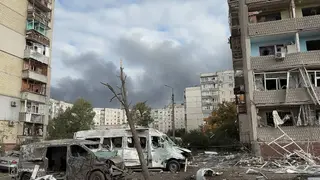
Russia launched 135 attack drones overnight, including 52 jet-powered variants, resulting in at least five deaths and 30 injuries across several Ukrainian oblasts. Ukrainian air defenses intercepted 125 targets but 10 drones penetrated defenses, striking civilian infrastructure and residential areas in Sumy, Kharkiv, Dnipropetrovsk, Zaporizhzhia, Kherson, and Donetsk regions. Attacks caused significant damage to apartment buildings, warehouses, and critical infrastructure facilities across the country.
Russia's overnight barrage demonstrates the sustained scale of aerial bombardment targeting Ukrainian population centers. The assault combined multiple drone types with glide-bomb strikes, overwhelming defenses across a broad geographic area from the northern Sumy region to contested eastern territories. Ukrainian air defense systems intercepted the majority of incoming threats, though roughly 7 percent of attackers reached their targets, striking warehouses, bridges, and residential neighborhoods with lethal effect.
The week-long offensive cited by President Zelensky—involving thousands of drones and glide bombs—underscores a pattern of intensive Russian attacks on Ukrainian infrastructure and civilian areas. Damage to food storage facilities, medical warehouses, and urban bridges suggests targeting of both supply chains and civilian mobility, compounding humanitarian challenges across multiple oblasts already experiencing active military operations.
These attacks could deepen Ukraine's humanitarian crisis by damaging food and medical infrastructure while disrupting urban transportation networks. Civilian casualties and infrastructure destruction may strain medical and social services already stretched across conflict zones. The targeting of bridges in Kyiv and warehouse facilities may also constrain supply distribution and economic recovery efforts. For Ukraine's population, continued strikes could intensify displacement pressures and complicate civilian resilience in major population centers.