Research Funding Targets Protection of Next-Generation Nuclear Reactors from Material Degradation
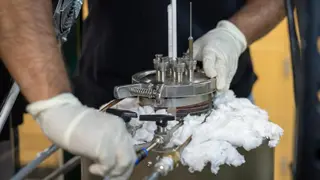
A U.S. research initiative has received $1 million in funding to develop protective measures for advanced nuclear reactors against damage from material degradation and environmental factors. Advanced nuclear technology offers the potential for continuous low-carbon electricity generation with improved fuel efficiency compared to conventional reactors. The research aims to enhance the durability and reliability of these next-generation power systems.
Next-generation nuclear reactors represent a technological shift in how electricity can be produced with minimal carbon emissions. Unlike traditional nuclear plants, these advanced designs promise greater efficiency in fuel use and the ability to generate power consistently without the carbon footprint of fossil fuel alternatives. The challenge lies in ensuring these systems remain functional over their operational lifetime.
Material degradation poses a significant threat to reactor longevity. Components within advanced reactors face extreme conditions—intense heat, radiation exposure, and corrosive environments—that can weaken structural integrity over time. The $1 million research effort focuses on developing solutions to mitigate this damage, directly addressing a critical barrier to making next-generation nuclear technology commercially viable and dependable.
If successful, this research could strengthen the economic case for advanced nuclear energy as part of broader efforts to decarbonize electricity grids. Utilities and energy companies may benefit from more durable reactors with extended operational lifespans, potentially reducing maintenance costs. Communities near nuclear facilities could see improved energy security. However, the research addresses only one aspect of nuclear technology adoption—regulatory approval, public acceptance, and waste management remain separate considerations affecting the sector's real-world deployment.